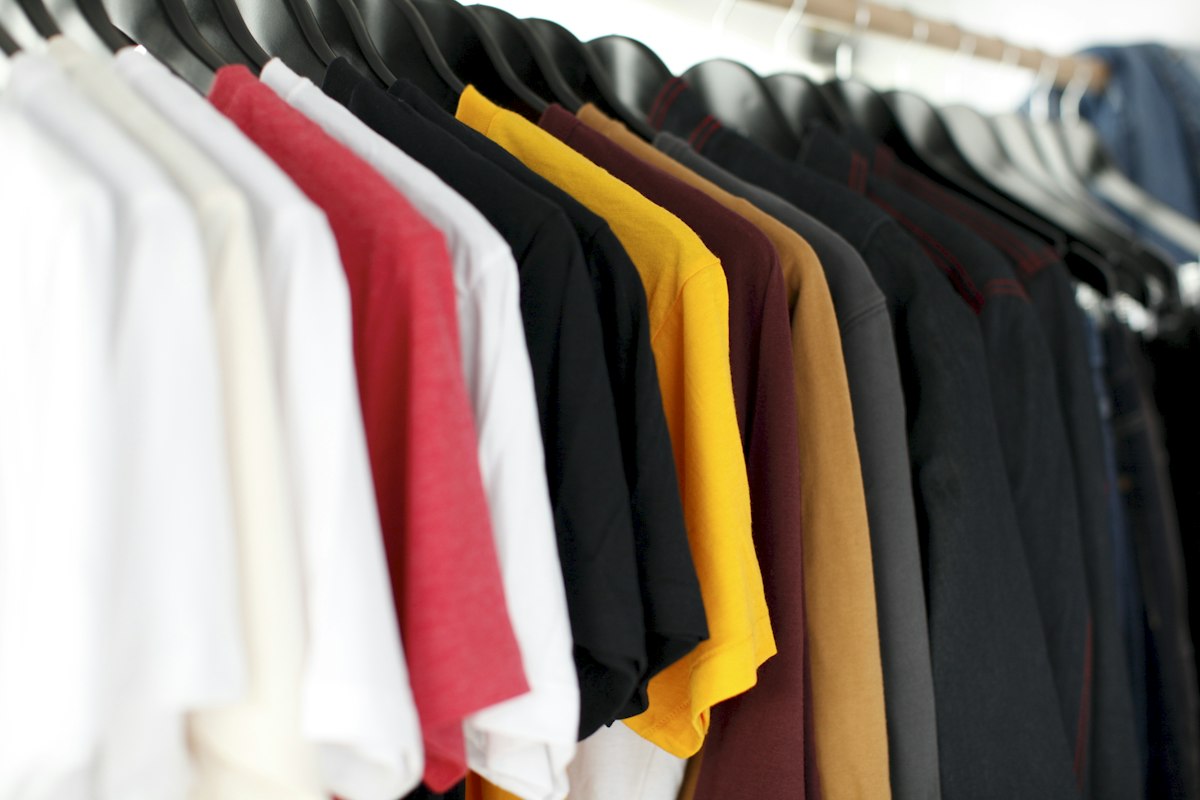
Fast fashion is one of the most destructive business models ever invented. Built on the premise of producing enormous quantities of cheap, trend-driven clothing as quickly as possible, the fast fashion industry has fundamentally transformed consumer behavior over the past three decades — and not for the better.
The environmental consequences of fast fashion are staggering. The industry uses approximately 93 billion cubic meters of water annually — enough to meet the consumption needs of five million people. It is responsible for 20% of global wastewater, largely due to the toxic chemicals used in dyeing and treating fabrics. Polyester, the most widely used fabric in fast fashion, is derived from fossil fuels and sheds microplastics with every wash, contributing to the ocean microplastic crisis.
The human cost is equally devastating. The majority of fast fashion garments are produced in countries with weak labor protections, where workers — predominantly women — are often paid poverty wages in unsafe conditions. The 2013 Rana Plaza collapse in Bangladesh, which killed over 1,100 garment workers, exposed the brutal human reality behind cheap clothing to a global audience. Despite promises of reform, labor exploitation in the garment industry remains widespread.
Fast fashion companies are also masters of “greenwashing” — the practice of making misleading sustainability claims to deflect criticism and maintain consumer confidence. Recycling schemes, sustainability lines, and vague environmental commitments are frequently used to imply a commitment to change while the core business model remains intact and the volume of production continues to grow.
The most effective response to fast fashion is informed, intentional consumption. Understand the true cost of cheap clothing — environmental, human, and social. Ask who made your clothes and under what conditions. Support brands that can answer these questions with confidence and evidence. Buy less, buy better, and make it last. Your choices have power — use it wisely.