
Fashion moves in cycles, and few cycles have been more eagerly anticipated — or more divisive — than the return of Y2K aesthetics. Low-rise jeans, butterfly clips, velour tracksuits, baby tees, and rhinestone everything: the early 2000s look that was once regarded with nostalgic embarrassment is now the defining aesthetic of a generation of younger fashion consumers who are living it for the first time.
For those who were actually there the first time, the revival can feel bewildering. Many of us spent years distancing ourselves from the fashion choices of our teenage years, only to find them celebrated and repackaged as cutting-edge cool. But fashion historians will tell you this is entirely normal — trends return in approximately 20-year cycles, at the moment when the generation that has no personal memory of the original is old enough to discover and adopt it.
What makes the current Y2K revival interesting is the way it has been filtered through a contemporary lens. The low-rise jean, for example, has returned but with a slightly higher rise than its original incarnation — acknowledging that absolute comfort is now a baseline expectation for modern fashion consumers. Baby tees are being worn tucked into high-waisted trousers and skirts in combinations that feel fresh rather than straightforwardly retro.
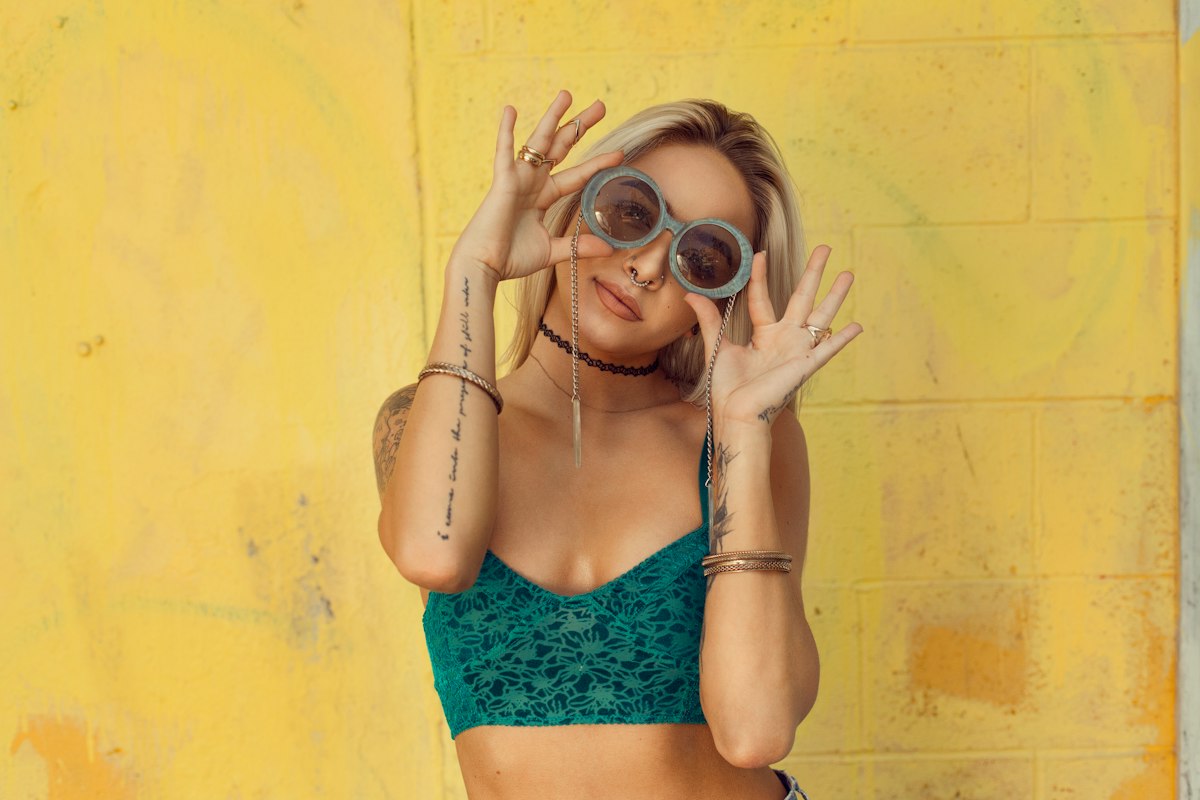
The accessories story is perhaps where Y2K nostalgia is most joyfully embraced. Mini bags, platform boots, colorful baguette bags, chunky belts, hair clips, chokers, and layered necklaces have all returned with a vengeance, adopted with glee by a generation discovering them as exciting new things rather than relics of a cringe-worthy past.
Whether you love it or loathe it, the Y2K revival has injected a welcome sense of playfulness and humor into fashion discourse. After years of relentless minimalism and quiet luxury, a little glitter, some butterfly clips, and a velour tracksuit might be exactly what fashion needed.